 howMed Know Yourself
Bordetella is a genus of gram negative coccobacilli, which are encapsulated. They are non-motile except B. bronchiseptica and are obligate aerobes except B. petrii. They are highly fastidious.
Pathogenesis
Route of entry
Bordetella infects only humans and is transmitted by air borne droplets.
- Capsule is antiphagocytic
- Organism produces pigment
- Hemaggluttinin, facilitates attachment to the cilia of the epithelial cells of the respiratory tract.
- Adenylate cyclase is taken up by phagocytic cells and inhibits their bactericidal activity.
- Pertussis-toxin inhibits signal transduction by chemokine receptors, therefore lymphocytes cannot enter lymphoid tissue.
- This stimulates adenylate cyclase by catalyizing ADP-ribosylation of inhibitory submit of G-proteins complex (Gx).
- Toxin also binds to receptors on the surface of the respiratory tract epithelial cells.
Virulence factors
• Filamentous hemagglutinin
• Pertussis toxin
• Adenylate cytotoxin
• Capsule
Predisposing factors
• Infants and young children
• Immunocompromised
Clinical symptoms
• Whooping cough
• Severe paroxysmal cough (1-4 week)
- Series of hacking coughs
- Massive amounts of mucus
• Leukocytosis up to 70%
• Exhaustion due to cough
• Pneumonia
Lab- Diagnosis
Specimen
• Nasopharyngeal secretions collected by aspiration
• Per nasal swab
Microscopy
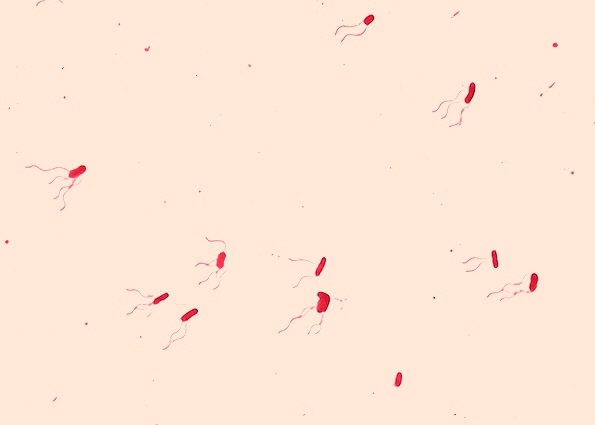
• Gram negative coccobacillus
• Non-motile
• Capsulated
Culture
• Strict aerobes
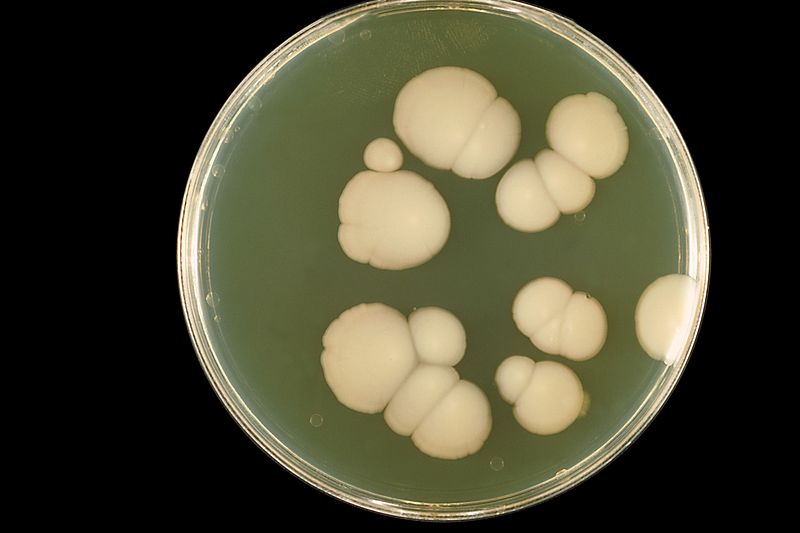
Charcoal cephalexin blood agar
Small pearly grey, shiny, mucoid colonies are formed.
Biochemical tests
• Urease negative
• Does not reduce nitrate
• Oxidase positive
Serological tests
• Fluorescent- antibody staining
• PCR
Treatment
- Erythromycin
- Oxygen therapy
- Suction of mucus