 howMed Know Yourself
In response to injury, cells respond by:
Homeostasis:
Ability of normal cell to maintain steady state.
Adaptations:
Adaptations are reversible, functional & structural changes to stress & noxious stimuli, which allow cells to live & continue to function.
Hypertrophy:
Increase in size of cells
Hyperplasia:
Increase in number of cells
Atrophy:
Decrease in size of cells
Metaplasia:
Change in phenotype of cell
Thus, the cells respond by changes in their:
– Size
– Number
– Shape (phenotype)
– Metabolic activity
– Functions
Cellular Adaptation
After non lethal injury cells may adapt to protect themselves. They may adapt by:
1. Growth
– Hyperplasia; hypoplasia
– Hypertrophy; atrophy
– Metaplasia; dysplasia.
2. Degenerations (accumulations)
– Hydropic change
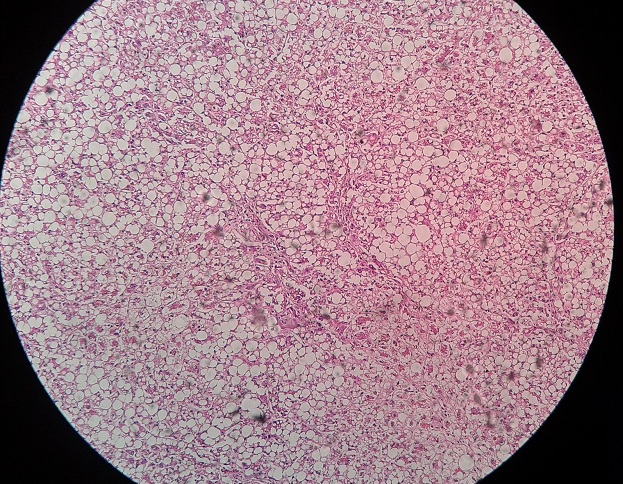
– Fatty change
– Hyaline change
– Pigment strorage-wear & tear